Patagonia Road Trip Guide: Buenos Aires to Ushuaia
Coastal Wilds vs. Andean Peaks
Patagonia is an unforgettable journey that humbles and inspires. From Buenos Aires you’ll drive through seemingly endless wild plains, salt flats, towering glaciers, and rugged mountains that feel like the edge of the world. Expect fierce winds, sudden weather changes, and moments of total solitude framed by some of the most spectacular landscapes on Earth.
This guide offers practical tips and insights to prepare you for this epic adventure, so you can make the most of every remarkable moment.
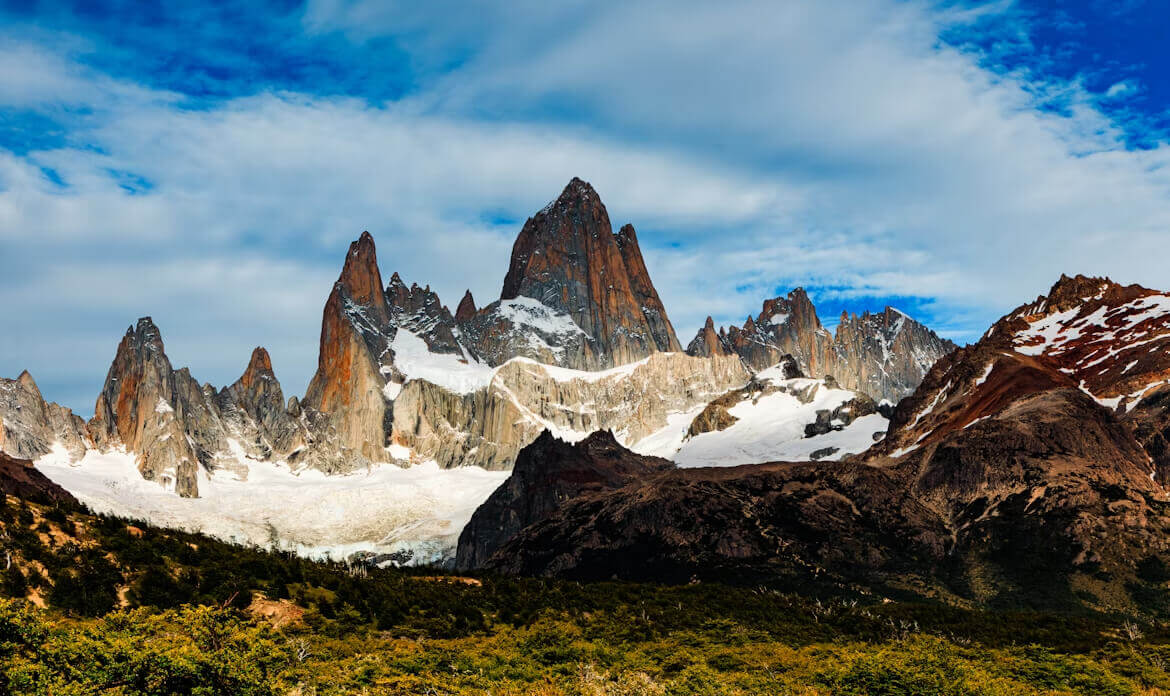
The Crown Jewels of Patagonia’s Wild Lands
Whether you follow the rugged Andes along Ruta 40 or hug the wild Atlantic coast on Ruta 3, this journey is about more than distance traveled—it’s about connecting deeply with Patagonia’s untouched landscapes and rich cultural history. Prepare for challenging roads and fierce weather, but also for extraordinary wildlife, glaciers, and a sense of freedom that few places in the world can match. Along the way, explore Patagonia’s UNESCO World Heritage Sites—remarkable places where nature’s raw power and human heritage meet in breathtaking harmony.
UNESCO World Heritage Sites in Patagonia
Patagonia is home to remarkable UNESCO World Heritage Sites that celebrate both natural beauty and cultural heritage. Sites directly along or close to the main road trip routes are noted with a star.
Natural World Heritage Sites
- Los Glaciares National Park (Argentina) ★
Recognized for its Natural beauty — Vast ice fields, the Perito Moreno Glacier, and iconic peaks such as Mt. Fitz Roy. Found along Ruta 40 near El Calafate and El Chaltén. - Peninsula Valdés (Argentina) ★
Recognized for its Natural beauty — A vital marine reserve home to southern right whales, orcas, elephant seals, and seabird colonies. Located on the Atlantic coast along Ruta 3 near Puerto Madryn. - Cueva de las Manos (Cave of Hands, Argentina) ★
Recognized for its Cultural heritage — Ancient rock art with stenciled hands and hunting scenes over 9,000 years old. Situated in Santa Cruz Province, reached via a detour of approximately 30 kilometers (about a 45-minute drive) on a gravel road from Ruta 40 near Bajo Caracoles. - Torres del Paine National Park (Chile) ★
Recognized for its Natural beauty — Iconic granite towers, glaciers, and abundant wildlife. Located just across the border near Ruta 40, about a 2.5-hour (127-mile/204-km) drive south from El Calafate, making it a highlight for those crossing into Chile. - Los Alerces National Park (Argentina)
Recognized for its Natural beauty — Northern Patagonia’s pristine forests of ancient alerce trees and clear glacial lakes. Though located north of the main southern Patagonia routes, it is an important natural reserve. Visiting from the southern hubs involves a detour of approximately 530 km (about 7 hours) northbound, so it is better suited for those exploring northern Patagonia or starting near Bariloche or Esquel.
★ Indicates sites that are either directly on or very close to the suggested Patagonia road trip routes.
Choosing Your Route
Ruta 3 (Coastal Route)
The most direct route along Argentina’s Atlantic coast, ideal for those seeking marine wildlife and wide-open steppe landscapes.
- Key stops include Buenos Aires, Puerto Madryn (whale watching), Peninsula Valdés (penguins, orcas), Monte León National Park, and Tierra del Fuego National Park.
- Ends with a ferry crossing of the Strait of Magellan through Chilean territory before arriving in Ushuaia.
- Route is about 2,000 km, typically requiring 12 to 16 days to explore at a relaxed pace, factoring in longer distances and ferry transfers.
Ruta 40 (Andean Route)
A longer, more adventurous route along the Andes offering mountain trekking, glaciers, and forests. Perfect for nature and adventure lovers.
- Highlights: El Calafate (Perito Moreno Glacier), El Chaltén (trekking capital), Bariloche (Lake District), and cultural stops like Welsh Patagonia.
- Some gravel sections require slower driving and more time.
- Stretch is about 1,400 km from the Lake District south to El Calafate, usually taking 10 to 14 days to explore key sites comfortably.
Mixing Both Routes
Combining Ruta 3 and Ruta 40 allows experiencing Patagonia’s full diversity: coastal wildlife and marine reserves on Ruta 3, and Andean mountains, glaciers, and trekking on Ruta 40.
With strategic transitions near hubs like El Calafate, the combined loop covers roughly 2,500 to 3,000+ km. Travelers typically need 2 to 3 weeks or more to enjoy the rich contrasts without rushing. It involves some international border crossings and careful planning but offers an unparalleled, varied Patagonia adventure.
Practical Travel Tips
Vehicle & Rental Advice
- 2WD cars can manage main paved roads, but a high-clearance vehicle or 4x4 is recommended for gravel roads and off-the-beaten-path sites.
- Book rentals early, especially for automatic transmission cars which are rarer and pricier.
- Inspect the car thoroughly upon pickup and document any existing damage.
- Confirm rental paperwork allows crossing into Chile and ask for necessary permits well in advance.
Border Crossing: Argentina to Chile
- You must cross Chile briefly near the trip’s end — ferry the Strait of Magellan, then re-enter Argentina at Tierra del Fuego.
- Required documents: valid passport, driver's license, and a rental company’s sworn statement permitting cross-border travel.
- Strict agricultural rules: no fresh fruits, vegetables, meat, or dairy. Consume or discard these before crossing to avoid fines.
- Remember the two-step stamping process: exit Argentina then enter Chile (and the same when returning to Argentina).
Fuel & Driving Conditions
- Fill your tank at every possible opportunity — fuel stations are sparse and sometimes out of stock.
- Gravel roads reduce travel speed; expect longer driving times than distance alone suggests.
- Patagonian winds can be strong and challenging, particularly in summer.
- Stay alert for wildlife crossing roads, especially at dawn, dusk, or night.
Best Time to Travel
| Season | Temperature (°F / °C) | Weather & Crowds | Activities & Highlights |
|---|---|---|---|
| Spring (Sept-Nov) | 51-62 / 10-17 | Moderate temps, blooming wildflowers, fewer crowds | Wildlife watching, easier hiking, spectacular flora |
| Summer (Dec-Feb) | 66-68 / 19-20 | Warmest, longest days, strongest winds, busy season | Hiking, kayaking, great weather for driving |
| Autumn (Mar-May) | 50-63 / 10-17 | Calmer weather, colorful lenga trees, fewer tourists | Photography, wildlife, peaceful trekking |
| Winter (Jun-Aug) | 45-48 / 7-9 | Cold, some road and trail closures, low crowds | Skiing, cold-weather activities, some treks |
Packing Essentials
Clothing: Dress in layers to adapt to rapidly changing weather. Include waterproof and windproof outerwear, thermal mid-layers, and moisture-wicking base layers.
Gear to Bring:
- Sturdy waterproof hiking boots with ankle support
- Daypack (20-30L) with rain cover
- Dry bags or ziplock bags for waterproofing valuables
- Trekking poles (helpful on rough terrain)
- Sunglasses with high UV protection and SPF 30+ sunscreen (strong UV rays)
- Warm hat, gloves, and scarf
- Comfortable camp shoes or sandals
- Reusable water bottles or hydration system (minimum 2L capacity)
- Water purification tablets or portable water filter
- First aid kit including blister care
- Personal medications and toiletries (biodegradable soap recommended)
- Headlamp with extra batteries
- Power bank and universal travel adapter
- Camera with extra batteries/memory cards for capturing Patagonia’s beauty
For Camping: Bring a sleeping bag rated for -5°C or lower, sleeping pad, lightweight stove, and headlamp. Many refugios provide bedding if you stay in mountain huts.
Important Documents: Passport (valid at least 6 months), driver’s license, rental car documents permitting border crossings, printed and digital copies of all important papers, travel insurance.
Accommodation & Budget
Options range from budget camping and hostels to luxury lodges and estancias (ranches). Booking early in peak season is recommended.
| Traveler Type | Accommodation | Daily Budget (Per Person) | Meal Style |
|---|---|---|---|
| Budget | Camping, hostels, basic refugios | $50 or less | Self-catered or casual eateries |
| Mid-Range | Hotels, estancias, private rooms | $250 - $350 | Restaurants, occasional guided tours |
| Luxury | Upscale lodges, all-inclusive stays | $400+ | Fine dining, private excursions |
Final Recommendations
Whether taking the coast or the mountains, Patagonia demands respect for its unpredictable weather and remote stretches. Careful planning around vehicle choice, border paperwork, driving conditions, and packing helps ensure a smooth trip. Be patient with travel times, embrace the solitude and grandeur of the landscapes, and prepare to create unforgettable memories on this epic road trip.