
Siem Reap & Angkor Wat — Gateway to Cambodia’s Ancient Temples
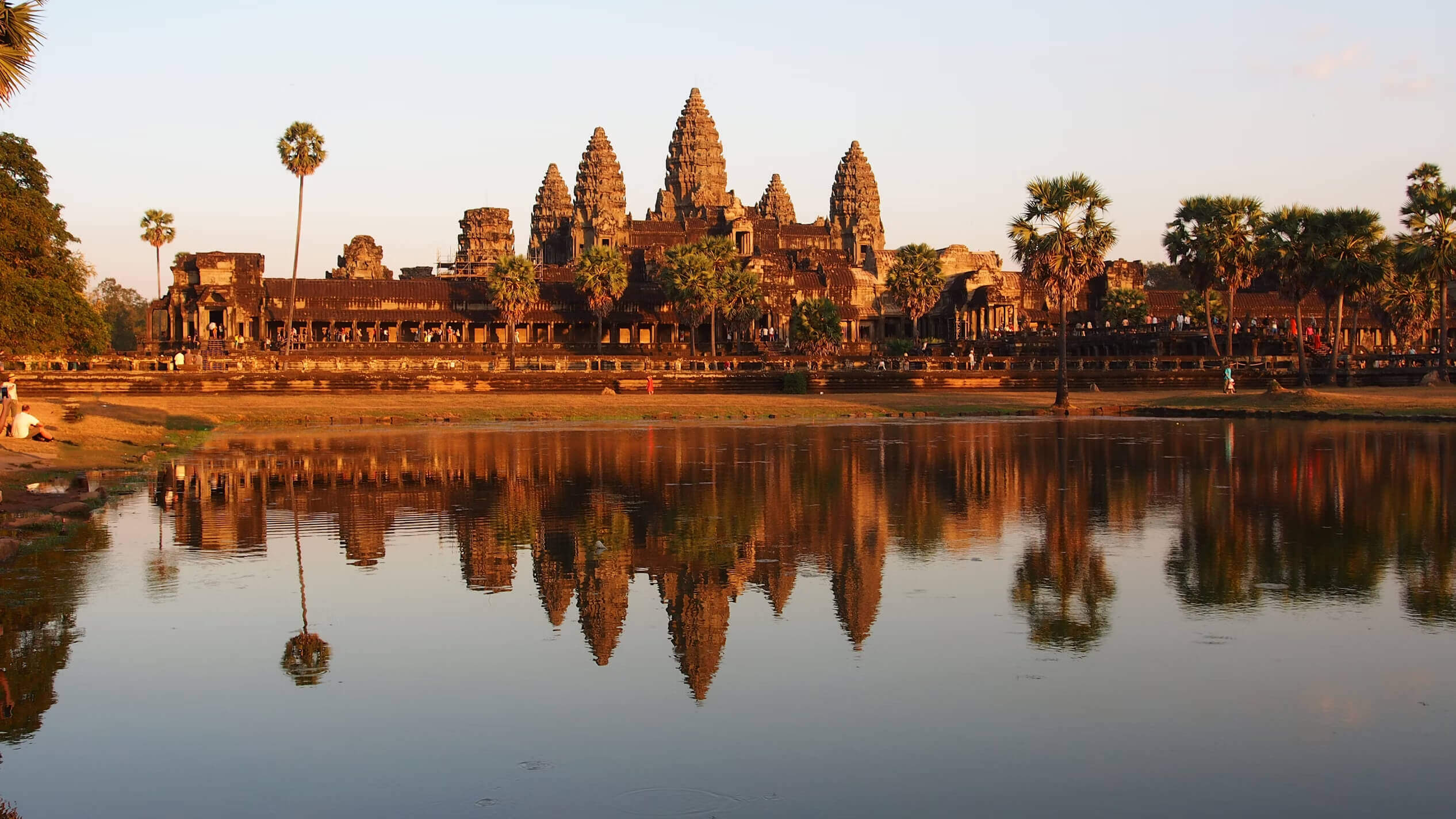
Siem Reap is the gateway to Angkor — the vast complex of Khmer temples spread through the forests and rice fields of northern Cambodia. The town itself mixes French colonial remnants with markets, guesthouses, and a lively dining scene, but the real draw lies just outside: Angkor Wat at sunrise, the giant faces of Bayon, and tree roots spilling over Ta Prohm. Exploring here is not just sightseeing but a step into one of the world’s greatest ancient cities.
Siem Reap Beyond the Temples
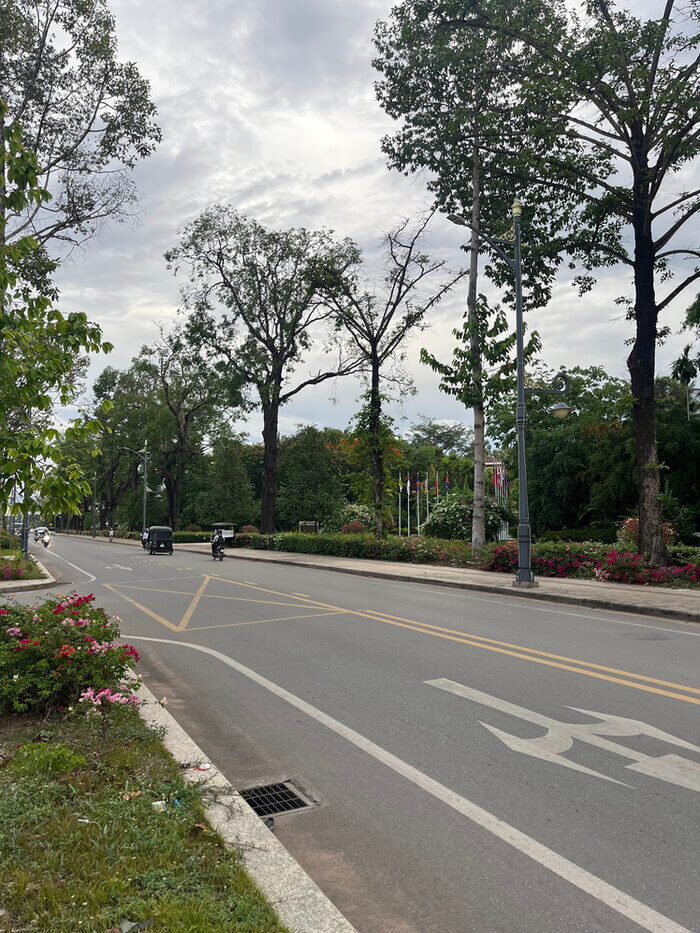
Siem Reap feels different from many Southeast Asian cities. Broad boulevards cut through the center, lined with gardens and a riverside promenade that invites unhurried walking. Traffic is light, the air cleaner and calmer, and the pace gentle enough that the city feels almost contemplative. It is a place where visitors quickly sense space, order, and welcome rather than congestion.
Part of its charm lies in what is found away from the main streets. Small workshops open their doors to passersby: silversmiths shaping ornaments, silk artisans dyeing and weaving silk thread into cloth, and potters turning clay with practiced ease. These are not staged demonstrations but daily work, shared openly and with a smile. Such encounters give Siem Reap a personality of its own — tranquil yet full of quiet industry, and every bit as memorable as the grandeur of Angkor just beyond its edge.
The people embody the same spirit. There is a quiet dignity in the way they move through daily life, a reverence that seems to come from gratitude as much as tradition. Hardship is part of the backdrop here, yet it rarely shows; what visitors notice instead is warmth, generosity, and a calm assurance that feels woven into the city itself.
When to Go & Practical Notes
- Cool, dry season (Nov–Feb): Best weather, peak crowds, and higher prices.
- Hot season (Mar–May): Temperatures above 35°C make midday visits tough. Early starts are essential.
- Wet season (Jun–Oct): Afternoon rains green the landscape, fewer tourists, lower prices — roads can flood but mornings are often clear.
Getting There & Around
Siem Reap International Airport is 7 km from the town center, with flights from Bangkok, Singapore, and major regional hubs. Tuk-tuks are the standard way to move between town and temples. Bicycles and e-bikes are also popular, but distances are long and heat intense.
Must-See Attractions
- Angkor Wat: The largest religious monument in the world. Go for sunrise, but return later in the day for fewer crowds and softer light.
- Angkor Thom & Bayon: A walled city with gates topped by giant faces. The Bayon temple’s 200 smiling stone faces are unforgettable.
- Ta Prohm: Known as the “Tomb Raider temple,” half-swallowed by strangler fig roots.
- Banteay Srei: A smaller temple outside the main complex, famous for intricate pink sandstone carvings.
UNESCO World Heritage Designation
Angkor (inscribed 1992)
Angkor is not a single monument but the remains of one of the world’s greatest ancient cities. Spread across forests and rice fields north of Siem Reap, the temples and reservoirs of the Khmer Empire reflect both artistic brilliance and sophisticated engineering. At its height between the 9th and 15th centuries, Angkor supported a population in the hundreds of thousands, making it one of the largest pre-industrial cities on earth.
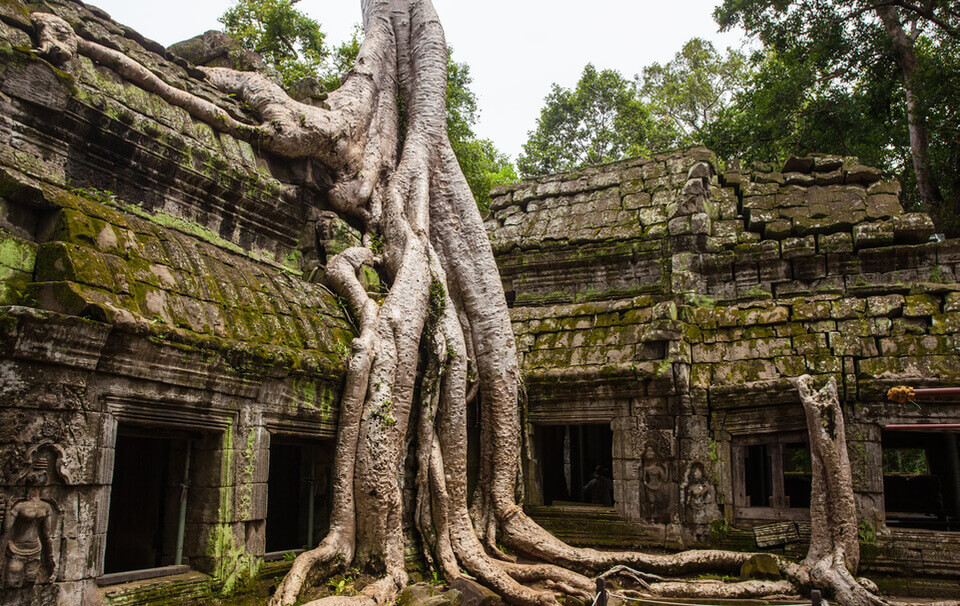
Why it’s inscribed. Angkor preserves outstanding examples of Khmer architecture, sculpture, and urban planning, including Angkor Wat, Angkor Thom, and Ta Prohm. Its hydraulic systems and reservoirs show extraordinary technical skill, while the temples themselves represent a fusion of spiritual symbolism and political power.
What to see. Angkor Wat’s central towers and bas-reliefs, the stone faces of Bayon, Ta Prohm’s tree-entwined walls, and the more remote Banteay Srei with its delicate sandstone carvings. The Archaeological Park covers over 400 km² (about 154.4 square miles), so even a few days only scratch the surface.
How to visit. Entry is by Angkor Pass (one, three, or seven days). Tuk-tuks are the most common transport, though bicycles and e-bikes suit shorter loops. Sunrise at Angkor Wat is popular but crowded — afternoons and later hours often give quieter views.
Interested in more World Heritage Sites? See our World Heritage Sites search.
Suggested Angkor Wat Itineraries
One day: Sunrise at Angkor Wat, morning in Angkor Thom and Bayon, afternoon at Ta Prohm.
Three days: Day one focuses on the “big circuit” temples (Angkor Wat, Angkor Thom, Ta Prohm). Day two explores the “small circuit” including Banteay Kdei and Preah Khan. Day three ventures farther to Banteay Srei and smaller rural temples.
- One extra day: Explore the floating villages of Tonlé Sap Lake. Boat trips leave from Chong Kneas and Kampong Phluk, where stilt houses rise high above the water. The experience shifts with the seasons — vast expanses of water in the wet season, exposed wooden stilts and fishing life in the dry.
- Two extra days: Spend one day visiting the Angkor National Museum and the War Museum for context on Cambodia’s history, then head into the countryside by bicycle or tuk tuk to see rice fields and small pagodas. On the second day, take a trip to Phnom Kulen National Park — waterfalls, jungle walks, and a reclining Buddha carved into the rock.
- Three extra days: Add a day trip to Beng Mealea, a sprawling jungle temple east of Angkor, less restored and with fewer crowds. Pair it with Banteay Srei or countryside villages to see more of rural life.
Siem Reap Downtown — Day and Night
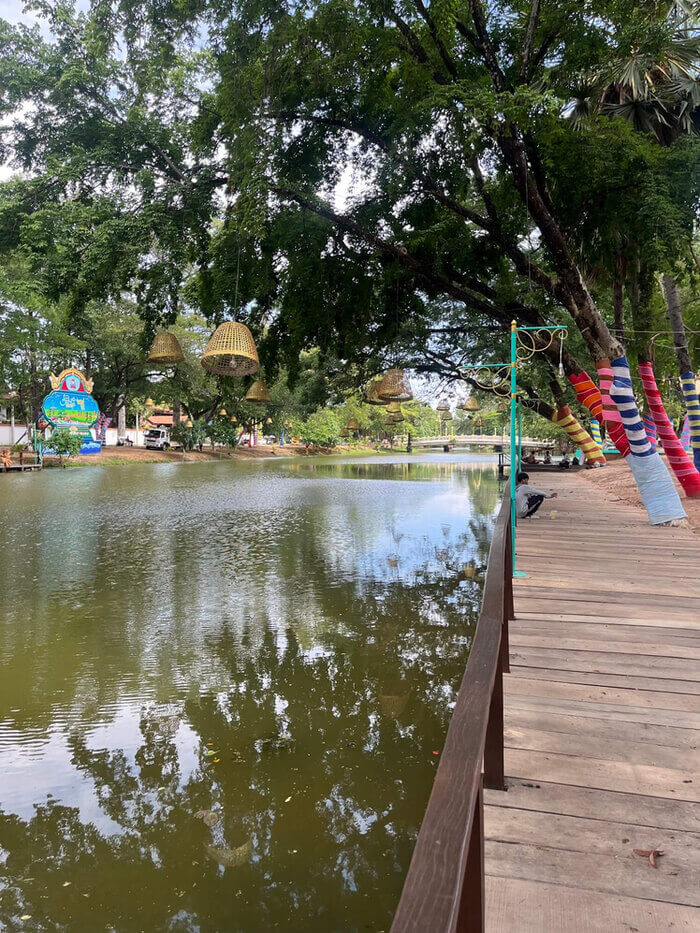
The heart of Siem Reap is compact and best explored on foot. By day, the Old Market area (Psar Chas) is a jumble of stalls selling produce, spices, and household goods, with cafés and shops spilling onto nearby streets. The riverside promenade is shaded and peaceful, lined with gardens that locals use as much as visitors. Small side streets hold workshops, boutiques, and galleries that showcase crafts beyond the tourist trinkets — from silk and silver to ceramics and contemporary art.
After dark the atmosphere changes. Pub Street and the alleys around it fill with energy, neon, and live music. Restaurants range from street food to modern Khmer kitchens, while night markets stay open late with food stalls, clothing, and souvenirs. Just across the river, quieter lanes offer wine bars, art cafés, and rooftop terraces. The contrast between the lively core and the calmer riverfront gives visitors a choice each evening: join the bustle or retreat to something more low-key.
Food & Drink
Siem Reap has an energetic food scene, from Pub Street’s bars to more refined Khmer restaurants. Try fish amok (coconut curry), Khmer BBQ, and local mangoes. Night markets mix food stalls with crafts and souvenirs. Prices are modest, but touristy areas charge more than local spots.
Suggested Itineraries Beyond Angkor
Angkor dominates most visits, but Siem Reap offers plenty beyond the temples. These ideas mix village life, countryside, and the town’s own rhythm.
Siem Reap & Angkor Wat in Context
Siem Reap and Angkor are two halves of a single experience. The temples carry the scale and grandeur of a vanished empire, while the city beside them offers the calm, warmth, and craft of daily Cambodian life. One is monumental, the other intimate — yet together they give visitors a deeper sense of how culture and community endure. Angkor’s stones speak of faith and power; Siem Reap’s boulevards, river walk, and workshops show how that legacy lives on in quieter ways. Above all, it is the people — generous, dignified, and quietly resilient — who shape the character of this place. Their warmth turns awe into connection, ensuring that what stays with you is not only the memory of towers and carvings, but of a city that welcomes you with grace.
A Personal Note: Guides often focus on places and monuments, but sometimes it is people who define a destination. In Siem Reap, that spirit is distilled in a small hotel — The Community — where my stay became one of the most memorable experiences across nearly fifty countries of travel. The staff embodied the qualities that make Cambodia what it is: grace, generosity, and a quiet sense of service that seems to flow from gratitude itself.