
Kyoto — Japan’s Ancient Capital of Temples and Gardens
Kyoto carries the weight of more than a thousand years as Japan’s imperial capital. Wooden townhouses and lantern-lit lanes sit beside modern streets, while Zen gardens, shrines, and pagodas anchor neighborhoods across the city. It feels both historic and lived-in: daily life flows around World Heritage temples and markets, and every side street seems to lead to a garden, a shrine, or a glimpse of traditional craft. Visitors come for its beauty, and often remember the calm and courtesy of its people as much as the architecture itself.
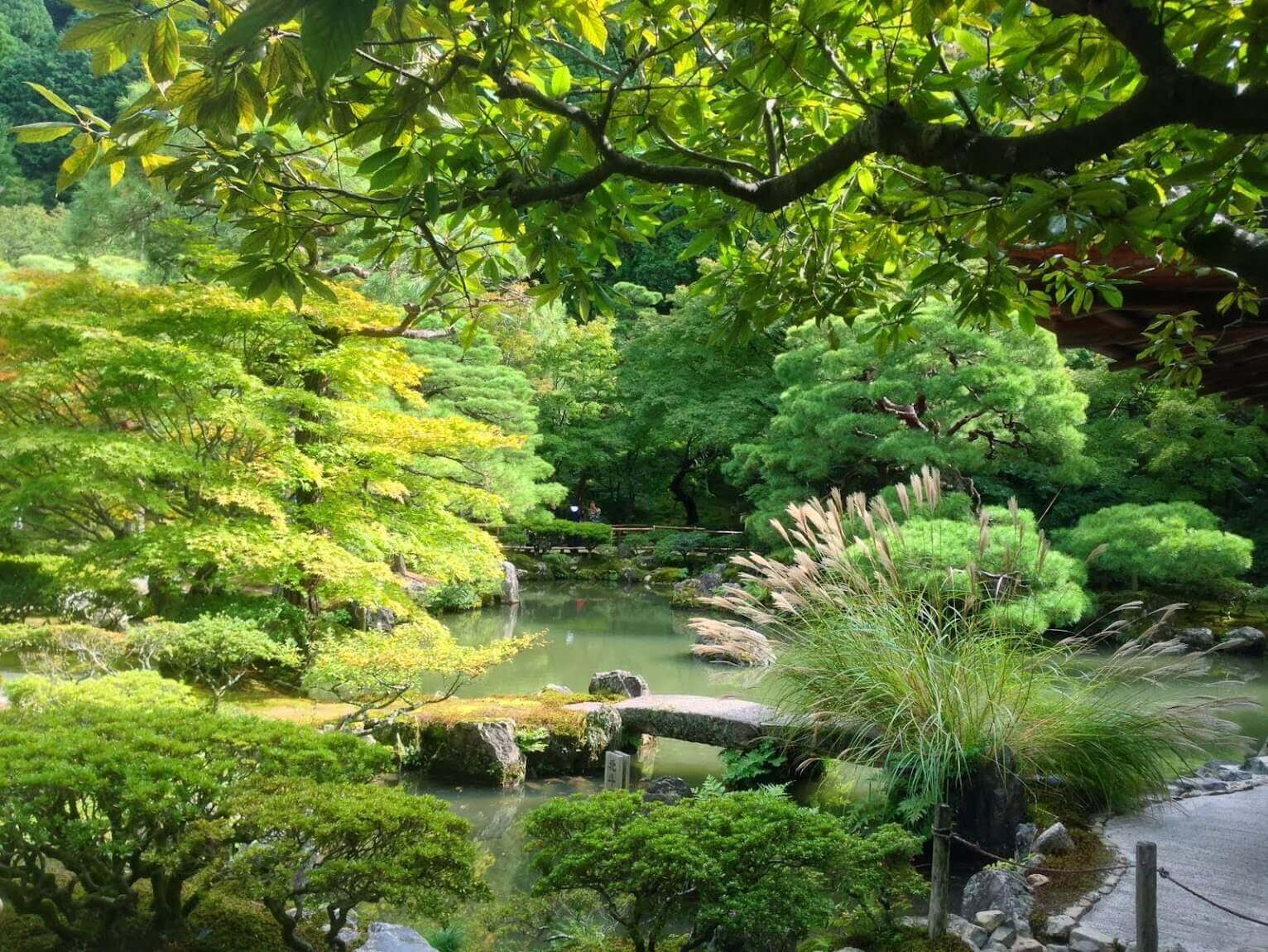
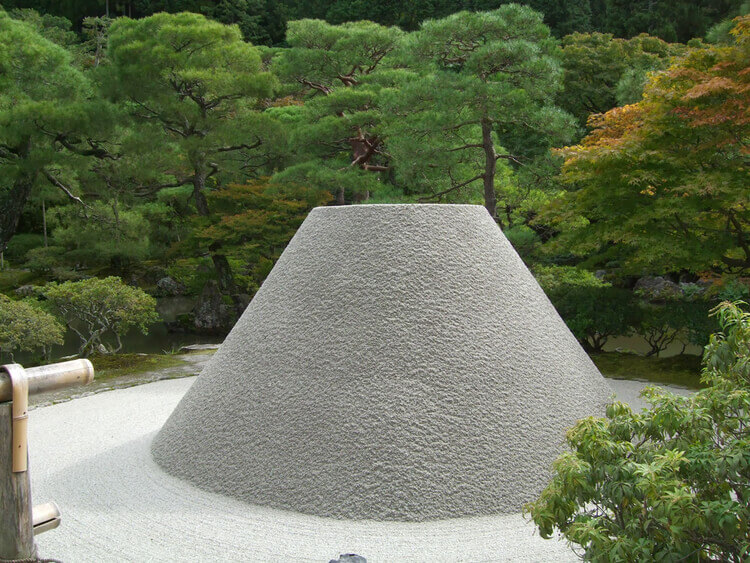
That harmony is not accidental. Kyoto is a city where natural setting and human design meet with rare balance. Maple groves, moss gardens, and hillside views are shaped by deliberate care: trees are pruned to reveal form, landscapes composed to balance water, stone, and gravel, each element placed with intention. Architecture reflects the same spirit — rice-paper walls that soften light, wooden beams joined with quiet precision, and lanterns of stone or wood turning pathways into compositions. It is this blending of nature and craft that gives Kyoto its calm — beauty rooted in the land, refined through centuries of artistry.
When to Go & Practical Notes
- Spring (Mar–Apr): Cherry blossom season — breathtaking and busy. Book far ahead.
- Autumn (Nov): Maple season paints temple gardens red and gold; cool days suit long walks.
- Summer (Jul–Aug): Hot, humid, and lively, with Gion Matsuri’s processions and evening energy.
- Winter (Dec–Feb): Quieter and cheaper; occasional snow dusts temple roofs for atmospheric visits.
Getting There & Around
Kyoto is reached in about 2½ hours from Tokyo by Shinkansen (Japan’s bullet train) and just over an hour by train from Kansai International Airport near Osaka. Within Kyoto, city buses and two small subway lines connect the main districts, with most signs in Japanese and English. Prepaid IC transport cards such as Suica, Pasmo, or Icoca are accepted across trains, subways, and buses, making transfers seamless. For shorter distances, walking and cycling are often the best ways to link nearby temples and neighborhoods. Kyoto Station is the central hub for onward trips to Nara, Osaka, Uji, and beyond.
Must-See Attractions
Kyoto’s main sights are spread across the city, but most can be grouped into a few districts, making it easy to link several in a single day. Each carries its own character, from hillside temples to riverside neighborhoods, and together they form a picture of Kyoto’s mix of history, design, and living tradition.
- Kiyomizu-dera: This hillside temple is famed for its wooden stage, built without nails, that juts out over a forest of maples and cherries. The view across the city is one of Kyoto’s icons, especially during spring blossoms and autumn leaves. The approach itself adds to the experience, winding through narrow lanes lined with shops selling pottery and traditional sweets.
- Fushimi Inari Taisha: Thousands of vermilion torii gates — traditional Japanese gateways marking the entrance to sacred ground — form tunnels that climb the wooded slopes of Mount Inari. The first sections near the entrance can be crowded, but quieter trails continue for hours into the hills. Visiting at sunrise or late afternoon gives softer light and a calmer atmosphere.
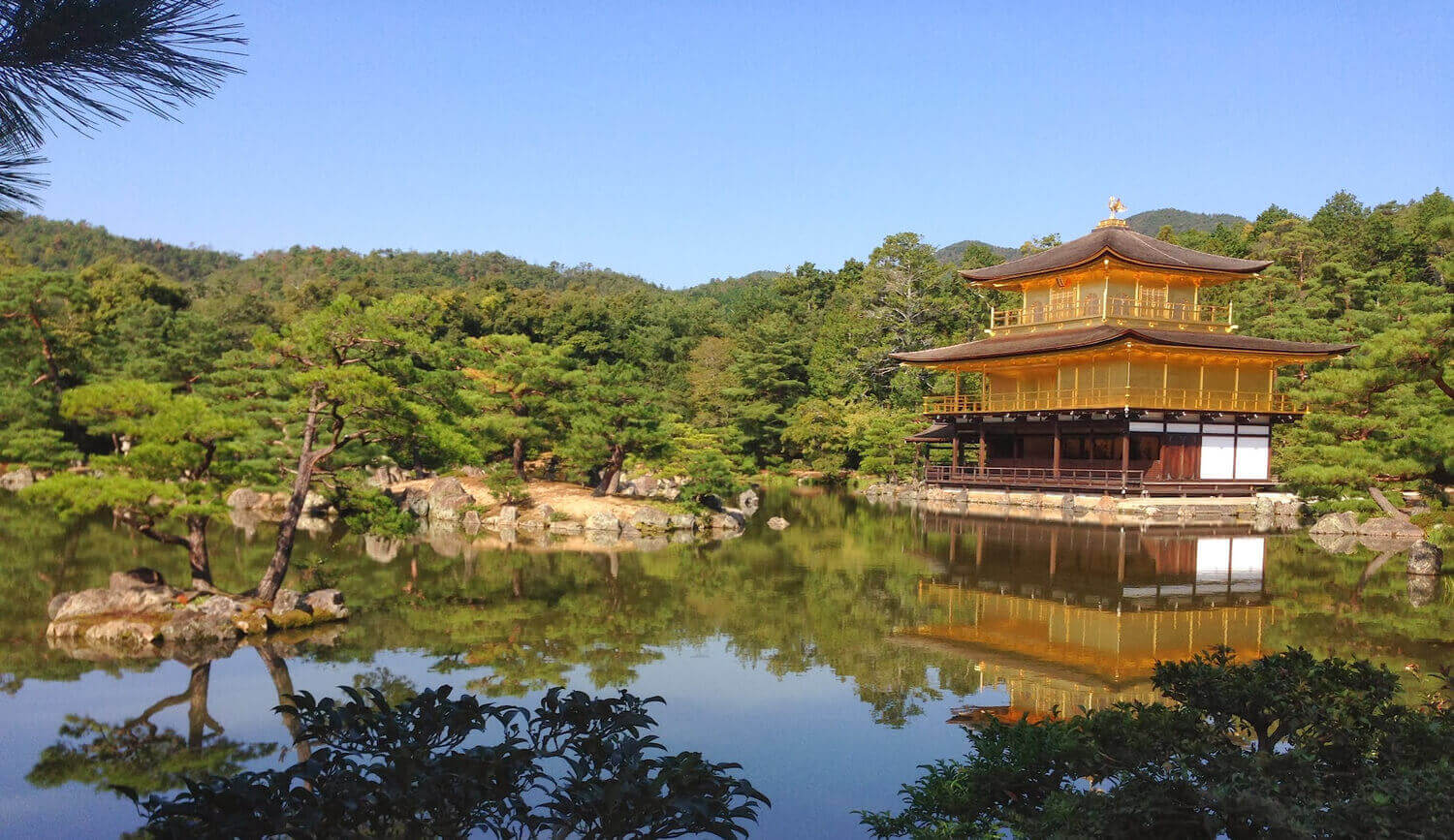
- Kinkaku-ji (Golden Pavilion): A Zen temple covered in gold leaf, perfectly mirrored in a still pond and framed by pines. The surrounding garden is designed for a circular stroll, offering shifting perspectives of the pavilion and its reflection. Though the visit is usually brief, the impression of brilliance and simplicity lasts long after.
- Arashiyama: On Kyoto’s western edge, this district blends natural scenery with cultural landmarks. The famous bamboo grove, the Katsura River spanned by Togetsukyo Bridge, hillside temples, and a monkey park make it feel like a town within the city. Arashiyama is especially atmospheric in autumn when the surrounding hills turn red and gold.
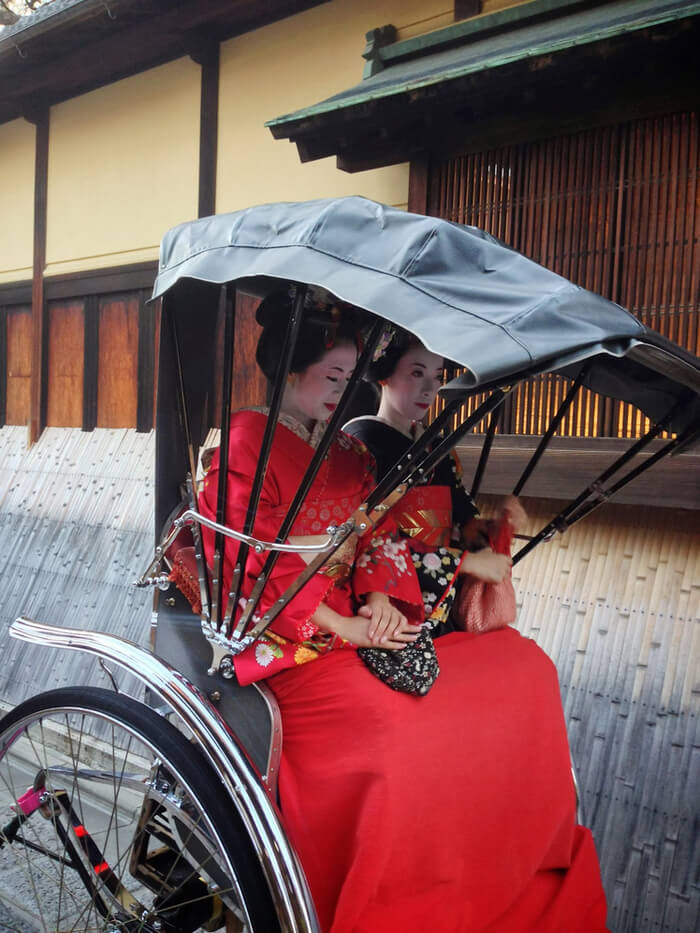
- Gion & Pontocho: These historic quarters preserve the atmosphere of old Kyoto with their wooden teahouses, lantern-lit alleys, and ochaya (geisha houses). They are best explored in the early evening, when lanterns glow and the chance of glimpsing a geiko or maiko feels most likely. Today, they mix tradition with lively dining and nightlife along the Kamo River.
UNESCO World Heritage Designation
Historic Monuments of Ancient Kyoto (inscribed 1994)
Across Kyoto and the nearby cities of Uji and Otsu, 17 temples, shrines, and castles preserve over a millennium of religious architecture, garden design, and courtly life. Together they trace the evolution of Shinto and Buddhist traditions and the city’s role as Japan’s cultural heart.
Why it’s inscribed. The ensemble embodies outstanding craftsmanship, landscape design, and continuity of ritual practice that influenced East Asia for centuries.
What to see. Kiyomizu-dera’s hillside terraces, Kinkaku-ji’s shimmering pavilion, Ryoan-ji’s abstract Zen rock garden, and Nijo Castle with its “nightingale floors.”
How to visit. Sites cluster in eastern and northern Kyoto; buses and taxis link them efficiently. A day pass helps with multi-stop days; bicycles are ideal within a singlkyoto-gardene district. Uji (Byodo-in) is an easy half-day by train.
Interested in more World Heritage Sites? See our World Heritage Sites search.
Suggested Itineraries
One day: Fushimi Inari at dawn, walk Higashiyama from Kiyomizu-dera toward Gion, and finish by the Kamo River in Pontocho.
Three days: Day one in eastern Kyoto (Kiyomizu-dera, Sanjusangendo, Gion). Day two in the north and west (Kinkaku-ji, Ryoan-ji, Arashiyama bamboo grove). Day three mixes Nijo Castle, Nishiki Market, and tea in Uji.
Suggested Itineraries Beyond Kyoto
Kyoto is a perfect base for short trips that add breadth to a visit — from deer-dotted temple parks to mountaintop monasteries, all within easy reach by local train. The Shinkansen (bullet train) makes longer journeys equally practical, putting cities like Osaka just minutes away and Hiroshima within two hours.
- Nara (½–1 day): Just south of Kyoto, Nara was Japan’s first permanent capital. Todaiji Temple houses a colossal bronze Buddha, while Kasuga Taisha is lined with hundreds of stone and bronze lanterns. The city is also famous for Nara Park, where tame deer wander freely among the shrines and gardens.
- Uji (½ day): Known for its matcha tea, Uji is a riverside town with a slower pace. Byodo-in’s Phoenix Hall, depicted on Japan’s ten-yen coin, is a masterpiece of Heian-period architecture. Tea shops and riverside paths make this a gentle outing, easily reached in under 30 minutes by train.
- Mount Hiei & Enryaku-ji (½–1 day): Rising on Kyoto’s northern edge, Mount Hiei is home to Enryaku-ji, the monastery that shaped Japanese Buddhism for centuries. A mix of cable cars, buses, and forest trails link the scattered temple halls across the mountain. The combination of wooded paths, history, and views over Kyoto and Lake Biwa makes it a rewarding escape from the city.
- Osaka (½–1 day): Japan’s lively second city contrasts with Kyoto’s calm. Dotonbori is packed with neon lights, street food stalls, and a boisterous energy that defines Osaka’s character. Osaka Castle and its surrounding park give a quieter side, while the city’s reputation for takoyaki and okonomiyaki makes it a paradise for food lovers.
- Himeji (½ day): Himeji Castle, often called the “White Heron,” is Japan’s finest surviving feudal fortress. Its gleaming white walls and intricate defensive design have survived wars and earthquakes. The grounds are spacious and easy to explore, and the Shinkansen puts it within 90 minutes of Kyoto.
- Kurama & Kibune (½ day hike): This easy hike through cedar forests connects the temple towns of Kurama and Kibune in Kyoto’s northern hills. Along the way are hot springs and mountain shrines, while Kibune is known for riverside restaurants that serve meals on platforms built over the water in summer. It is a half-day mix of nature, culture, and relaxation.
- Hiroshima (full day): A sobering but essential visit, Hiroshima’s Peace Memorial Park and Museum tell the story of the atomic bombing and its legacy. The rebuilt castle and lively shopping arcades add further contrast. Many visitors combine the city with nearby Miyajima Island, where the giant “floating” torii gate rises dramatically from the sea — all reachable in under two hours by Shinkansen.
Food & Drink
Kyoto cuisine favors refinement and seasonality. Kaiseki―a multi-course Japanese dining experience―distills aesthetics into a sequence of small, precise courses; tofu and yuba (tofu skin) are local signatures. Matcha sweets and teas from Uji appear everywhere. Nishiki Market is the city’s pantry, while Pontocho and Kawaramachi line the river with izakaya pubs and terrace dining in summer. From time-honored establishments to casual noodle shops, attention to detail marks almost every meal.
Kyoto in Context
Kyoto gathers Japan’s history, religion, and aesthetics into a single city. Its temples and gardens speak to centuries of artistry, yet it is not a museum piece: markets bustle, students crowd cafés, and bicycles weave between shrines and shopping streets. The rhythm is quieter than Tokyo’s but every bit as layered, offering both spectacle and stillness. What endures is not only the beauty of its monuments, but the courtesy and grace with which everyday life continues around them — tradition here is not preserved apart from life, but lived daily.